Annual Dog Health Checks in Dubai & the UAE: A Veterinarian's Guide
Discover why yearly veterinary examinations matter for your dog's lifelong health, with expert advice from Dr. Elizabeth Thomas.
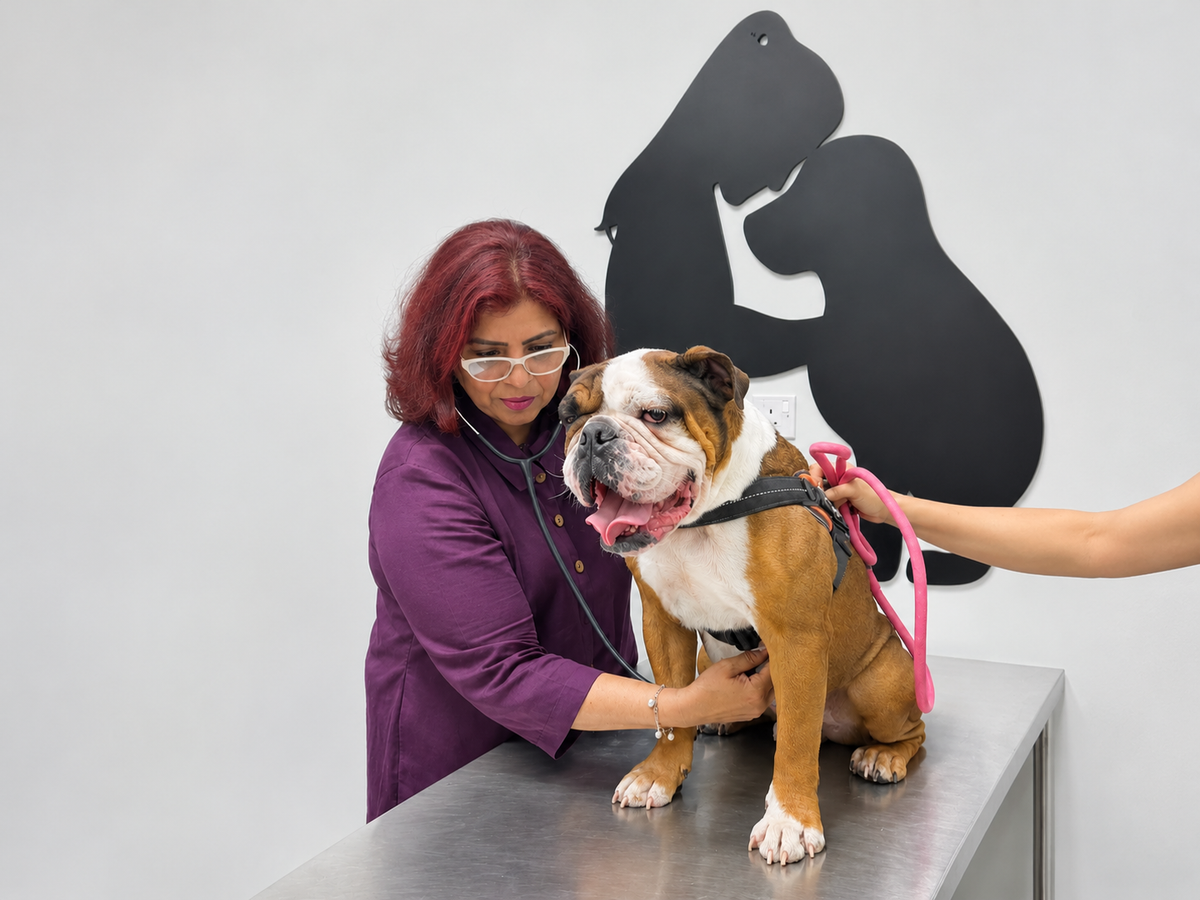
Your dog may look healthy, eat well, play enthusiastically, and greet you with a wagging tail every morning. But does that necessarily mean your dog is healthy?
By Dr. Elizabeth Thomas | Veterinarian, Founder & Chief Veterinary Officer, Pets Oasis, UAE
A Wagging Tail Doesn't Always Tell the Whole Story
As pet parents, we know our dogs better than anyone else. We recognise their excitement when we come home, their favourite sleeping positions, their appetite, and even the smallest changes in their behaviour.
Naturally, when our dogs are eating, playing, and behaving normally, we assume they are healthy.
But here is something I have learned during more than three decades as a veterinarian:
A dog can appear perfectly healthy while an underlying medical condition is quietly developing.
Some illnesses develop gradually, with symptoms becoming noticeable only after the condition has progressed.
Dental disease may begin long before a dog stops eating. Arthritis can develop before an obvious limp appears. Changes in kidney function or blood sugar may be detected through appropriate testing before owners recognise clear symptoms.
This is why an annual dog health check is so important.
Veterinary medicine should not simply be about treating disease when something goes wrong. It should also be about preventing avoidable problems, identifying health concerns early, and helping our pets enjoy the best possible quality of life.
Whether you are a pet parent in Dubai or elsewhere in the UAE, regular preventive veterinary care is one of the most meaningful investments you can make in your dog's wellbeing.
At Pets Oasis, we believe preventive healthcare is one of the greatest gifts we can give our animals.
What Is an Annual Dog Health Check?
An annual dog health check, also called a veterinary wellness examination, is a comprehensive assessment of your dog's general health.
Unlike a consultation for a specific illness or injury, a wellness examination looks at your dog's overall physical condition, lifestyle, medical history, and potential health risks.
It gives your veterinarian an opportunity to establish what is normal for your dog and identify changes that may require attention.
A routine wellness examination generally includes:
- A review of medical history and recent changes in behaviour
- Weight and body condition assessment
- Examination of the eyes, ears, nose, and mouth
- Dental and gum health assessment
- Heart and lung examination
- Abdominal palpation
- Skin and coat examination
- Joint movement and mobility assessment
- Examination for lumps, swellings, or unusual growths
- Review of vaccination and parasite prevention
- Discussion of nutrition, exercise, and general wellbeing
Depending on your dog's age, breed, medical history, and examination findings, your veterinarian may recommend additional investigations.
An annual health check is not simply a vaccination appointment. It is an opportunity to evaluate your dog's health as a whole.
7 Reasons Why Annual Health Checks Are Essential for Dogs
1. Early Detection of Disease Can Make a Difference
One of the most important benefits of routine veterinary examinations is the opportunity to identify health problems before they become more serious.
Dogs cannot tell us when something feels wrong.
And unlike humans, they cannot describe persistent discomfort, changes in vision, or the early symptoms of an internal illness.
Some diseases progress slowly, making the initial changes difficult for pet owners to recognise.
During a wellness examination, your veterinarian may identify concerns such as:
- Heart murmurs
- Dental disease
- Unexplained weight changes
- Skin abnormalities
- Joint discomfort
- Enlarged lymph nodes
- Abdominal abnormalities
- Changes suggesting hormonal or metabolic disease
Not every illness can be detected during a routine examination, and some conditions require additional diagnostic tests.
However, identifying a potential problem early can provide more opportunities for investigation, treatment, and ongoing management.
Early detection does not guarantee a cure, but it can make a meaningful difference to treatment options and quality of life.
2. Dogs Age Faster Than We Often Realise
One year in a dog's life can represent a significant period of physical and biological change.
Dogs age at different rates depending on their size, breed, genetics, and overall health.
For example, a large-breed dog may enter its senior years earlier than a small-breed dog.
As dogs grow older, their risk of developing certain conditions increases, including:
- Arthritis
- Dental disease
- Heart disease
- Kidney disease
- Diabetes
- Certain cancers
- Cognitive dysfunction
This is why veterinary care should evolve as your dog moves through different life stages.
For healthy adult dogs, an examination at least once a year is a useful minimum. Puppies, senior dogs, and dogs with ongoing medical conditions generally require more frequent visits.
Senior dogs often benefit from examinations approximately every six months, with the precise schedule determined by their individual needs.
Your dog's healthcare plan should change as your dog changes.
3. Dental Disease Often Goes Unnoticed
Dental health is one of the most commonly overlooked aspects of canine wellbeing.
Many pet owners assume that bad breath is normal in dogs.
It isn't necessarily normal.
Persistent bad breath may be a sign of dental or gum disease.
During a veterinary examination, we assess the teeth and gums for visible problems such as plaque, tartar, inflammation, fractured teeth, and other oral abnormalities.
Dental disease can cause significant pain, yet many dogs continue eating despite discomfort.
An examination of the awake dog's mouth is an important screening step, although it cannot identify every dental problem. A complete dental assessment may require anaesthesia, probing, and dental radiographs.
Routine checks, home dental care, and professional treatment when indicated can help protect your dog's oral health.
4. Weight Management Can Prevent Future Health Problems
One of the most important health indicators we assess during a wellness examination is your dog's weight and body condition.
Excess weight is not simply a cosmetic concern.
Overweight dogs have an increased risk of several health problems, including joint disease, reduced mobility, and certain metabolic conditions.
Even a relatively small increase in weight can place additional strain on the joints, particularly in dogs already affected by arthritis.
At Pets Oasis, we encourage owners to look beyond the number on the weighing scale.
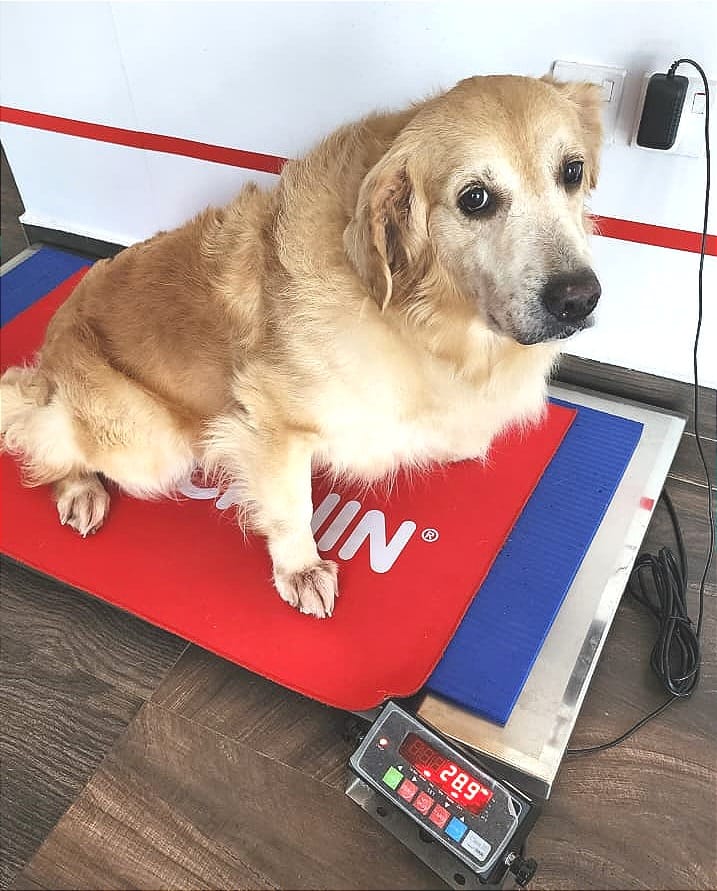
We use a Body Condition Score (BCS) to assess whether a dog is underweight, at an appropriate weight, or overweight.
The assessment considers factors such as:
- Whether the ribs can be felt easily
- Whether the waist is visible from above
- Whether the abdomen has an appropriate tuck
- The amount and distribution of body fat
Muscle condition is also important, particularly in older dogs.
Through our Healthy Paws Project, we encourage pet parents to understand healthy weight as an essential part of lifelong preventive healthcare.
Our message is simple:
A healthier weight. A happier life. More precious years together.
5. Vaccination and Parasite Protection Need Regular Review
Living in the UAE presents particular considerations for canine preventive healthcare.
Dogs may be exposed to parasites and infectious diseases through outdoor activities, contact with other animals, boarding facilities, travel, and their surrounding environment.
During an annual health check, your veterinarian can review:
- Core vaccination history
- Rabies vaccination status
- Kennel cough vaccination where appropriate
- Flea and tick prevention
- Intestinal parasite control Vaccinations for adult pets is annual in UAE . Quaterly deworming is highly advised . Tick & flea control should be all the year round .
6. Behavioural Changes May Indicate Medical Problems
Sometimes, the earliest indication of illness is not an obvious physical symptom.
It may be a subtle change in behaviour.
A previously playful dog may become less interested in walks.
A friendly dog may suddenly become irritable when touched.
An older dog may hesitate before climbing stairs or jumping into the car.
These changes are sometimes dismissed as normal ageing or behavioural problems.
However, they may indicate pain, discomfort, sensory changes, or another underlying medical condition.
During a wellness examination, we encourage pet parents to discuss changes in:
- Sleeping patterns
- Activity levels
- Appetite and thirst
- Social interactions
- Anxiety or irritability
- House-training habits
- Exercise tolerance
Understanding your dog's behaviour is an important part of understanding their health.
7. Preventive Care Helps Us Plan for a Healthier Future
An annual veterinary examination is not just about identifying problems today.
It is also an opportunity to plan for tomorrow.
Your veterinarian can help you develop a personalised healthcare plan based on your dog's:
- Age and life stage
- Breed-related health risks
- Body condition
- Nutrition
- Exercise requirements
- Previous medical history
- Lifestyle and environment
- Travel and boarding needs
This approach allows preventive care to become a continuous process rather than a series of unrelated appointments.
Over time, maintaining accurate medical records also helps your veterinary team recognise important changes and trends.
Does My Dog Need Blood Tests Every Year?
This is a question many pet owners ask.
The answer depends on the individual dog.
Routine blood tests can provide valuable information about internal health, but they are not a substitute for a physical examination.
Common tests include a complete blood count (CBC), which evaluates blood cells, and a blood chemistry profile, which provides information about substances associated with organ function and metabolism.
Depending on the circumstances, your veterinarian may also recommend urinalysis, thyroid testing, or other investigations.
Blood tests may be particularly useful for senior dogs, dogs with chronic medical conditions, dogs taking certain long-term medications, or animals with concerning examination findings.
For a healthy young adult dog, the decision to perform screening tests should be individualised.
It is also important to remember that normal blood test results do not rule out every disease.
The greatest value comes from interpreting laboratory results together with the dog's history and physical examination.
How Often Should Your Dog Have a Veterinary Health Check?
The ideal frequency depends on your dog's life stage and medical needs.
| Life Stage | General Recommendation |
|---|---|
| Puppies | Multiple visits during the first year for vaccination, growth and development monitoring |
| Healthy adult dogs | At least once every 12 months |
| Senior dogs | Often every 6 months |
| Dogs with chronic conditions | As recommended by the treating veterinarian |
| Dogs receiving ongoing medication | Regular reviews according to treatment and monitoring needs |
These are general recommendations, not rigid rules.
A dog with a newly developing medical concern should never wait until the next scheduled annual examination.
Why Annual Health Checks Are Particularly Important in Dubai and the UAE
The UAE offers wonderful opportunities for pet ownership, but its climate and lifestyle present some unique challenges.
Whether your dog lives in a Dubai apartment, enjoys outdoor activities in Sharjah, or has a family home in Umm Al Quwain, preventive veterinary care should reflect their environment and daily routine.
Extreme Heat and Humidity
High temperatures can increase the risk of heat-related illness, especially in brachycephalic breeds, overweight dogs, elderly dogs, and animals with respiratory or cardiac conditions.
Wellness visits provide an opportunity to discuss safe exercise, hydration, weight management, and heatstroke prevention.
For pet parents in Dubai and across the UAE, adapting walking routines and outdoor activity during the hottest months is an important part of responsible dog care.
Parasite Exposure
Fleas, ticks, and other parasites remain important considerations in the UAE.
The appropriate prevention programme depends on the dog's environment, activities, travel history, and exposure risks.
Regular veterinary reviews help ensure that parasite protection remains appropriate for your dog's individual lifestyle.
Indoor Lifestyles and Weight Gain
During the hottest months, many dogs spend more time indoors.
Reduced activity, combined with excessive calorie intake, can contribute to weight gain.
Regular weight monitoring and nutrition assessments can help owners make appropriate adjustments.
This is particularly relevant for dogs whose exercise routines become more limited during the UAE summer.
Boarding and International Travel
Many UAE pet owners travel frequently or use professional boarding facilities.
A preventive health consultation helps ensure that vaccinations, parasite protection, and relevant health documentation are reviewed before travel or boarding.
Requirements vary by destination, airline, and facility, so planning ahead is essential.
For families arranging pet boarding in Dubai, or any where in UAE maintaining an up-to-date veterinary health record can make the preparation process more straightforward.
Dr. Elizabeth's Clinical Insight: The Value of Knowing What Is Normal
After more than 30 years in veterinary practice, one lesson has remained particularly important to me.
Good veterinary care begins long before a pet becomes seriously ill.
When we see a dog regularly, we have the opportunity to understand that individual animal.
We learn what is normal for their weight, physical condition, behaviour, and overall health.
This makes it easier to recognise when something begins to change.
I always encourage pet parents not to think of an annual health check as just another appointment on the calendar.
Think of it as a commitment in your dog's comfort, wellbeing, and future.
Because the goal is not simply to help our dogs live longer. The goal is to add life to their years
5 Things to Do Before Your Dog's Annual Health Check
A little preparation can make your veterinary visit more productive.
- Review your dog's medical history. Bring vaccination records, previous laboratory results, and details of any medications or supplements.
- Make a note of changes. Record changes in appetite, thirst, urination, bowel movements, mobility, sleeping habits, or behaviour.
- Review your dog's diet. Know the food brand, feeding quantities, treats, and any supplements being given.
- Observe your dog's activity. Note any reluctance to exercise, stiffness, limping, or unusual tiredness.
- Prepare your questions. An annual check-up is an excellent opportunity to discuss concerns that may otherwise be overlooked.
Even small observations can provide useful clinical information.
Frequently Asked Questions About Annual Dog Health Checks
1. Does my dog need an annual health check if they seem perfectly healthy?
Yes. A wellness examination can identify concerns that may not yet be obvious at home. It also provides an opportunity to review nutrition, vaccinations, parasite prevention, and other aspects of preventive healthcare.
2. Is an annual vaccination appointment the same as a health check?
Not necessarily. A vaccination visit may include a physical examination, but a comprehensive wellness consultation takes a broader look at your dog's overall health, lifestyle, and potential risks.
3. At what age should dogs start having annual health checks?
Preventive veterinary care begins in puppyhood. Puppies require several visits during their first year. Once they reach adulthood, healthy dogs should generally continue with examinations at least annually.
4. Do senior dogs need more frequent examinations?
Yes, in many cases. Senior dogs often benefit from veterinary examinations approximately every six months because age-related conditions can develop or progress between annual visits.
5. Are blood tests necessary during every annual examination?
Not for every dog. Your veterinarian will recommend testing based on age, breed, medical history, symptoms, physical examination findings, and individual risk factors.
6. Can an annual health check prevent all diseases?
No. Not all diseases can be prevented or detected early. However, routine examinations, appropriate screening, vaccination, parasite prevention, and healthy lifestyle management can reduce certain risks and improve opportunities for timely treatment.
7. What if my dog becomes anxious during veterinary visits?
Tell your veterinary team in advance. They may recommend strategies such as a quieter appointment time, gradual familiarisation, gentle handling, or other measures tailored to your dog's needs.
8. How can I book an annual dog health check in Dubai or the UAE?
You can contact Pets Oasis Veterinary Clinic in Umm Al Quwain to arrange a wellness consultation and discuss the most appropriate preventive healthcare plan for your dog.
Pets Oasis welcomes pet parents from Dubai, Ajman, Umm Al Quwain, and surrounding UAE communities.
Your Dog Gives You a Lifetime of Love. Give Them a Lifetime of Care.
Our dogs ask for very little.
A safe home. Good food. A little playtime. A comfortable place to sleep. And, above all, our love.
In return, they give us companionship, loyalty, laughter, and countless unforgettable moments.
As veterinarians and pet parents, we have a responsibility to protect that trust.
An annual dog health check may seem like a small commitment, but it can be an important part of maintaining lifelong health.
At Pets Oasis, our approach to veterinary medicine is guided by three simple values:
Love. Care. Happiness.
Love that encourages us to put our pets' wellbeing first.
Care that combines veterinary knowledge, preventive medicine, and individual attention.
And happiness that comes from seeing our animals live comfortable, healthy, fulfilling lives.
Because every healthy year is another year of precious memories together.
Book Your Dog's Annual Wellness Examination at Pets Oasis
Whether your dog is a playful young adult, a much-loved family companion, or entering their golden years, preventive healthcare matters.
At Pets Oasis Veterinary Clinic in Umm Al Quwain, we welcome pet parents from across the UAE, including Dubai, Sharjah, Ras Al Khaimah and surrounding communities.
Our veterinary team can help you review your dog's health, identify individual risk factors, and create an appropriate preventive care plan.
Pets Oasis Veterinary Clinic – Umm Al Quwain, UAE
Call: 06 766 2397
WhatsApp: 055 716 8410. https://wa.me/971557168410
Email: petsoasisvet@gmail.com
Give your dog the care they deserve today, for a healthier tomorrow.
Medical disclaimer: This article provides general veterinary education and does not replace an individual examination, diagnosis, or treatment plan. If your dog is unwell, contact a veterinarian. Difficulty breathing, collapse, repeated seizures, severe bleeding, or suspected heatstroke require immediate veterinary attention.
About the Author
Dr. Elizabeth Thomas is a veterinarian with more than 30 years of clinical experience and the Founder and Chief Veterinary Officer of Pets Oasis in the UAE. Her approach to veterinary medicine emphasises preventive healthcare, compassionate treatment, and building lifelong relationships with pets and their families.