When Symptoms Mislead: Common Misdiagnoses in Small Animal Practice (and How We Can Do Better)
Misdiagnosis in pets is more common than we think—here’s how careful veterinary care makes all the difference.
Introduction
In veterinary medicine, not every symptom tells a straightforward story.
A mild cough may mask a cardiac condition. Occasional vomiting could signal anything from dietary indiscretion to a deeper systemic illness. In small animal practice, where our patients cannot describe their discomfort, diagnosis becomes both a science and an art—one that requires patience, curiosity, and clinical humility.
As veterinarians, we are trained to recognise patterns. But it is often the exceptions—the subtle deviations—that matter most.
Why Misdiagnosis Happens in Veterinary Practice
Even in the most experienced hands, misdiagnosis can occur. Not due to negligence, but because:
- Animals present symptoms differently than humans
- Early-stage diseases can appear deceptively mild
- Multiple conditions may coexist
- Time constraints or incomplete histories can cloud clarity
In a fast-paced veterinary clinic Dubai environment, the pressure to act quickly must always be balanced with the responsibility to think deeply.
Common Misdiagnoses in Small Animals
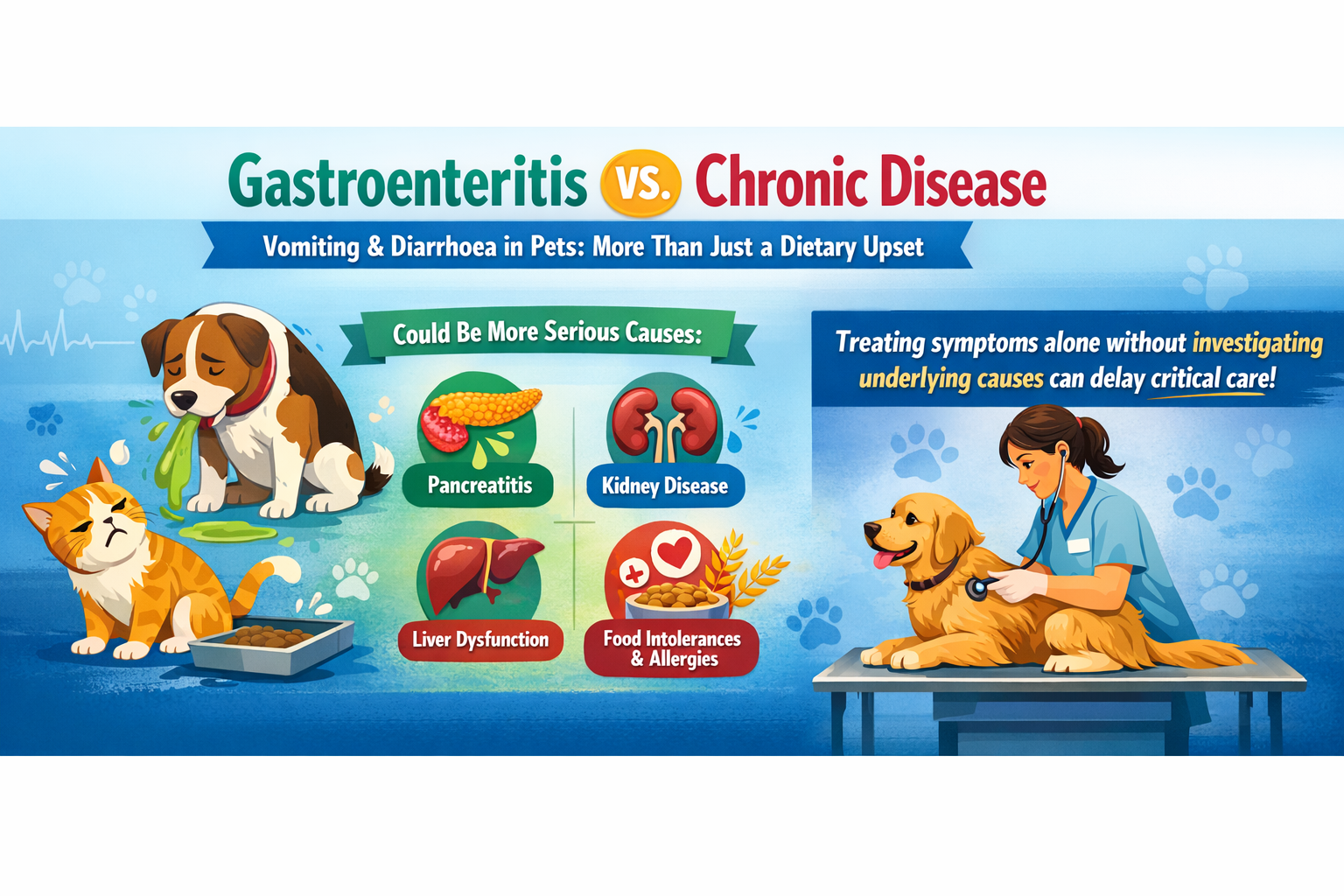
1. Gastroenteritis vs. Chronic Disease
Vomiting and diarrhoea are among the most common complaints in pet care Dubai. While often attributed to simple dietary upset, these signs may also indicate:
- Pancreatitis
- Kidney disease
- Liver dysfunction
- Food intolerances or allergies
Treating symptoms alone without investigating underlying causes can delay critical care.
2. Skin Allergies vs. Parasitic or Hormonal Conditions
Itching, redness, and hair loss are frequently diagnosed as allergies. However, similar signs may stem from:
- Mange or mites
- Fungal infections
- Endocrine disorders such as hypothyroidism
A surface-level diagnosis can lead to prolonged discomfort for the pet and frustration for the owner.
3. Lameness vs. Neurological Issues
A limping dog may not always have a joint or muscular injury. In some cases, the root cause lies within the nervous system.
Without a thorough neurological assessment, subtle but serious conditions can be overlooked.
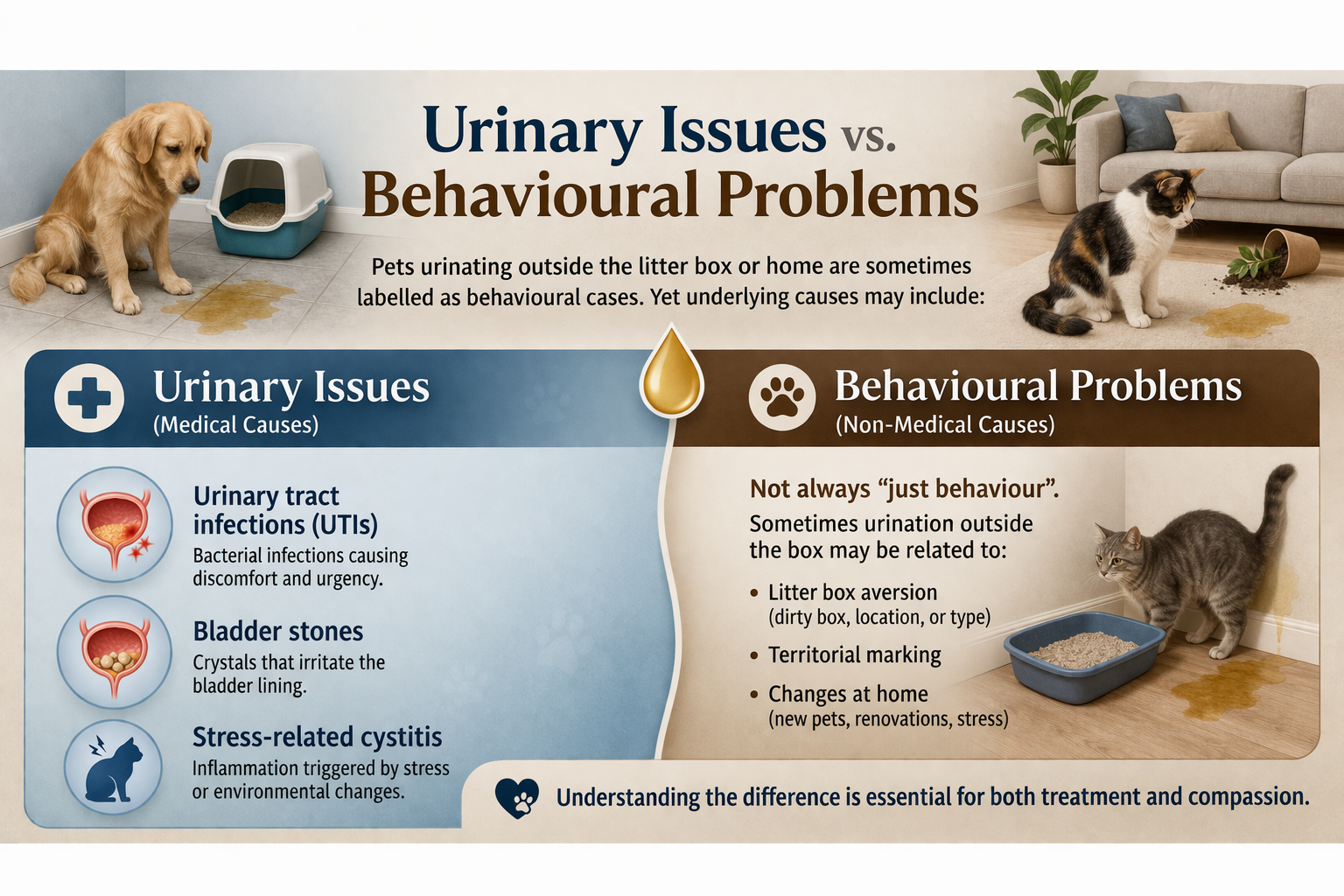
4. Urinary Issues vs. Behavioural Problems
Pets urinating outside the litter box or home are sometimes labelled as behavioural cases. Yet underlying causes may include:
- Urinary tract infections
- Bladder stones
- Stress-related cystitis
Understanding the difference is essential for both treatment and compassion.
5. Respiratory Symptoms vs. Cardiac Disease
Coughing is commonly treated as a respiratory issue. However, in some dogs—particularly older ones—it may indicate heart disease.
This is where experience, diagnostic imaging, and careful listening (both literally and clinically) become invaluable.
How We Reduce the Risk of Misdiagnosis
At a trusted veterinarian Dubai practice, avoiding misdiagnosis is not about perfection—it’s about process.
1. Thorough Clinical Examination
Every consultation should go beyond the presenting complaint. A full-body assessment often reveals what symptoms alone cannot.
2. Listening to Pet Parents
Pet owners notice subtle behavioural changes long before clinical signs escalate. Their observations are invaluable.
3. Diagnostic Testing When Needed
Blood tests, imaging, and laboratory analysis are not “extras”—they are essential tools when clarity is needed.
4. Re-evaluation and Follow-Up
Medicine is dynamic. If a pet is not improving, the diagnosis must be revisited without hesitation.
5. Clinical Humility
Perhaps most importantly, good veterinarians remain open to being wrong—and committed to finding the right answer.
The Role of Pet Owners in Preventing Misdiagnosis
Accurate diagnosis is a partnership.
You can support your pet’s care by:
- Sharing complete and honest histories
- Noting even minor behavioural changes
- Following treatment plans carefully
- Returning for follow-ups if symptoms persist
When searching for a vet near Dubai or the best vet Dubai, what truly matters is not just credentials—but a clinic’s commitment to thoughtful, thorough care.
A More Thoughtful Approach to Veterinary Medicine
At Pets Oasis, we believe that every symptom deserves to be understood—not just managed.
Because behind every diagnosis is a life that depends on us getting it right.
Conclusion
Misdiagnosis is not always avoidable—but it is always worth guarding against.
With careful observation, advanced diagnostics, and a commitment to continuous learning, we can reduce uncertainty and provide the level of care our pets deserve.
If your pet’s symptoms feel unresolved or unclear, trust your instincts and seek a second opinion. Thoughtful veterinary care can make all the difference.
If you’re looking for a compassionate and experienced veterinary clinic Dubai pet parents trust, our team at Pets Oasis is here to help.
📞 Call: 06 766 2397
💬 WhatsApp: 055 716 8410
📧 Email: petsoasisvet@gmail.com
FAQs
What are the most commonly misdiagnosed conditions in pets?
Gastrointestinal issues, skin conditions, lameness, urinary problems, and respiratory symptoms are among the most frequently misinterpreted.
When should I seek a second opinion for my pet?
If your pet is not improving, symptoms are recurring, or the diagnosis feels unclear, a second opinion is advisable.
Can diagnostic tests prevent misdiagnosis?
Yes. Blood work, imaging, and lab tests provide deeper insights that physical exams alone may not reveal.
How can I help my vet make an accurate diagnosis?
Provide detailed history, monitor changes closely, and follow through with recommended tests and follow-ups.